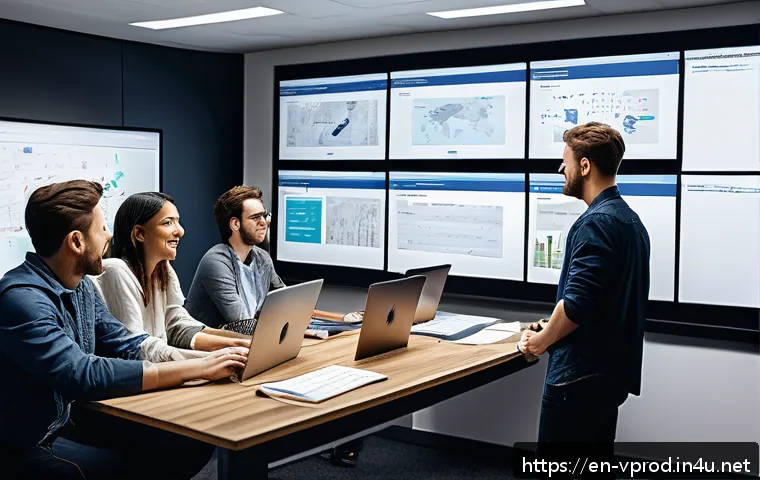
In today’s fast-paced video production world, staying ahead often means more than just technical skills—it’s about guidance and growth through real connections.

Mentorship has emerged as a powerful catalyst, unlocking hidden creative potential and shaping successful careers in ways traditional learning can’t match.
Whether you’re just starting out or looking to elevate your craft, understanding how mentorship transforms your journey can be a game-changer. Let’s dive into why this dynamic relationship is becoming essential in the evolving landscape of video production.
Building Creative Confidence Through Personalized Feedback
How Honest Critiques Accelerate Skill Development
One of the most transformative aspects of mentorship in video production is receiving personalized, honest feedback. Unlike generic tutorials or online courses, mentors offer critiques tailored to your unique style and current skill level.
When I first started working with a mentor, I noticed how pinpointing specific weak spots in my editing workflow — things I hadn’t even realized were problems — helped me improve much faster than fumbling on my own.
Honest feedback can be tough to hear, but it’s essential for growth because it pushes you out of comfort zones and inspires you to tackle challenges you might otherwise avoid.
The trust built in this dynamic makes it easier to digest criticism and apply it constructively.
Encouraging Experimentation Without Fear of Failure
Mentors create a safe space where trying new techniques isn’t risky but encouraged. In video production, fear of messing up can stifle creativity, especially when deadlines loom.
My mentor always emphasized that failures are just stepping stones to mastering new skills. This reassurance helped me explore unconventional storytelling methods and bold visual effects without second-guessing myself.
Mentorship, therefore, nurtures confidence by allowing experimentation under guided support, which is something you rarely get in a purely self-taught environment.
Celebrating Progress to Sustain Motivation
Another subtle yet powerful benefit of mentorship is celebrating small wins. When someone with experience acknowledges your progress — whether it’s smoother color grading or better sound design — it fuels motivation to keep going.
I remember feeling stuck at times, but a mentor’s encouragement reminded me that improvement is a gradual process. This ongoing positive reinforcement helps maintain momentum and prevents burnout, which is crucial in a demanding field like video production.
Unlocking Industry Insights and Networking Opportunities
Understanding Real-World Production Challenges
Mentors bring a wealth of firsthand experience from the trenches of video production that textbooks and online tutorials can’t offer. Through conversations and shadowing opportunities, you learn about the unexpected hurdles, such as client communication issues or equipment malfunctions, that professionals face daily.
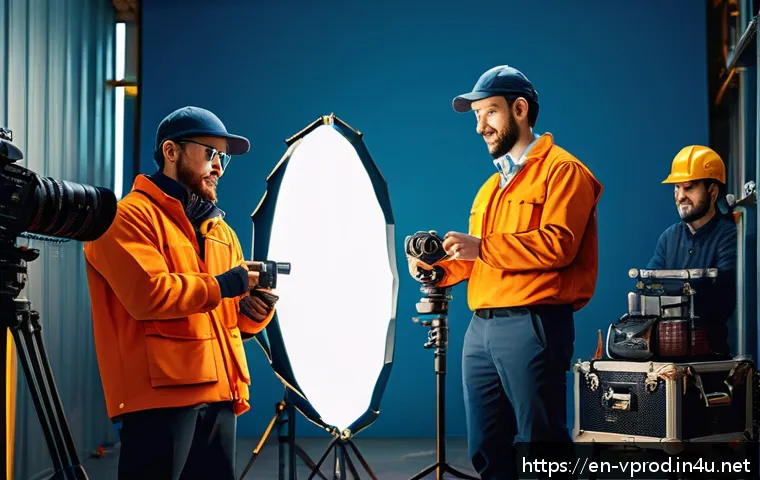
For example, my mentor once shared a story about how quick thinking saved a shoot when a critical lens broke last minute. These insider perspectives prepare you to handle similar situations gracefully and think on your feet, which is invaluable in the fast-paced production environment.
Expanding Connections for Career Growth
Beyond technical know-how, mentorship opens doors to industry networks. Mentors often introduce mentees to producers, editors, and other creatives, which can lead to collaborations, job offers, or freelance gigs.
Early in my career, a mentor connected me with a local production company, which jumpstarted several paid projects. These introductions aren’t just about getting jobs; they also immerse you in communities where you can exchange ideas, stay updated on trends, and find emotional support.
Navigating the Business Side of Production
Video production isn’t just about creativity; it’s also a business. Mentors can demystify contracts, budgeting, and client management, areas that beginners often overlook.
I learned from my mentor how to draft clear proposals and negotiate fair rates, knowledge that saved me from undercharging and overworking. This guidance is critical for turning a passion into a sustainable career and helps you avoid common pitfalls that can stall progress.
Developing Soft Skills That Elevate Collaboration
Communication Techniques Tailored to Creative Teams
Successful video projects depend heavily on communication, and mentors often coach you on how to express ideas clearly and listen actively. From my experience, learning how to articulate creative visions and handle feedback diplomatically improved my relationships with directors and crew.
Mentors share strategies for navigating conflicts and building trust within teams, skills that are just as important as technical proficiency in delivering polished final products.
Time Management Strategies for Complex Projects
Balancing multiple tasks and deadlines is a daily reality in video production. Mentorship can introduce you to practical time management methods that experienced professionals swear by.
For instance, my mentor taught me how to break down large projects into manageable milestones and prioritize based on client needs and resource availability.
These habits reduce stress and improve efficiency, enabling you to deliver high-quality work consistently.
Building Resilience in a Competitive Industry
Rejection and criticism are part of the creative journey, but mentors help you develop the emotional resilience to keep pushing forward. Hearing about their own setbacks and comebacks made me realize that persistence is key.
Mentorship encourages a growth mindset, where challenges are seen as opportunities to learn rather than roadblocks, which ultimately strengthens your resolve and passion for video production.
Leveraging Technology and Trends with Expert Guidance
Staying Updated on Emerging Tools and Software
The video production landscape evolves rapidly with new software updates, gear, and techniques. Mentors help you cut through the noise by recommending tools that fit your workflow and goals.
For example, my mentor introduced me to AI-powered editing plugins that significantly sped up my post-production process. This curated guidance saves time and money, preventing you from chasing every shiny new gadget without purpose.
Applying Trends Creatively Without Losing Originality
While trends can be tempting to follow, mentors help you balance them with your unique creative voice. They encourage experimenting with popular styles, like vertical video or immersive VR, but always with a focus on authenticity.
This approach ensures that your work remains fresh and relevant without becoming a copycat of fleeting fads, a lesson I learned firsthand when my mentor challenged me to blend trendy techniques with personal storytelling.
Customizing Learning Paths for Long-Term Growth
Mentors don’t just share what’s hot now; they help you build a roadmap for ongoing development. By assessing your strengths and weaknesses, they suggest specific skills to master and resources to explore, creating a personalized learning plan.
This tailored approach prevents overwhelm and ensures steady progress, which is crucial given how quickly the video production industry changes.
Balancing Creative Vision with Practical Constraints
Finding Solutions Within Budget Limits
One of the trickiest parts of video production is delivering creative work while respecting financial constraints. Mentors show you how to prioritize elements that impact storytelling most and find cost-effective alternatives without compromising quality.
I remember working on a project where my mentor suggested using natural lighting creatively to avoid expensive setups, which not only saved money but enhanced the film’s mood authentically.
Adapting to Client Expectations and Feedback
Mentors teach you how to interpret client briefs effectively and manage revisions diplomatically. This is a skill I struggled with initially, often feeling frustrated by last-minute changes.
Through mentorship, I learned to see client feedback as collaboration rather than criticism, which improved relationships and final outcomes. It’s about balancing your artistic intent with practical demands, a nuanced skill that mentors help refine.
Prioritizing Deliverables for Maximum Impact
Not every aspect of a project carries equal weight, and mentors help you identify what deserves the most attention. Whether it’s focusing on sound design for a music video or pacing for a commercial, this prioritization ensures your efforts align with project goals and audience expectations.
This strategic mindset has helped me deliver work that resonates deeply without getting bogged down in unnecessary details.
Tracking Progress and Measuring Success Effectively
Setting Realistic and Ambitious Goals
Mentorship encourages setting clear milestones that are challenging yet achievable. My mentor helped me break down complex skills like motion graphics into smaller, trackable objectives, which made progress tangible and rewarding.
This practice keeps motivation high and prevents burnout by celebrating incremental achievements.
Utilizing Feedback Loops for Continuous Improvement
Regular check-ins with mentors create a feedback loop where you can adjust your approach based on results and guidance. This iterative process is more effective than one-off learning because it adapts to your evolving needs.
Personally, these sessions helped me refine my storytelling approach and technical execution simultaneously.
Using Data and Analytics to Inform Creative Decisions
In today’s digital world, understanding viewer engagement and performance metrics is critical. Mentors often guide mentees on interpreting analytics from platforms like YouTube or Vimeo to tailor content for better reach and impact.
Learning to balance creative instincts with data-driven insights has been a game changer in my projects, enabling smarter decisions that resonate with audiences.
| Mentorship Benefit | Key Impact | Example From Experience |
|---|---|---|
| Personalized Feedback | Speeds skill development by targeting specific weaknesses | Mentor highlighted inefficient editing habits I didn’t notice |
| Industry Networking | Opens doors to job opportunities and collaborations | Introduced to a production company leading to paid gigs |
| Soft Skills Development | Improves communication, time management, and resilience | Learned to manage client feedback diplomatically |
| Tech & Trend Guidance | Keeps skills current while maintaining originality | Adopted AI editing tools recommended by mentor |
| Balancing Creativity & Constraints | Delivers quality work within budget and client demands | Used natural light creatively to reduce costs |
| Progress Tracking | Enhances motivation and continuous growth | Set clear milestones for mastering motion graphics |
In Conclusion
Mentorship in video production offers invaluable opportunities for growth by providing honest feedback, industry insights, and practical guidance. Through personalized support, it empowers creatives to overcome challenges, refine their skills, and navigate the business side of the craft. Embracing mentorship can truly accelerate your journey toward mastering both the art and the profession.
Helpful Information to Keep in Mind
1. Honest, personalized critiques help identify blind spots and speed up skill improvement.
2. Building a network through mentors can open doors to new projects and collaborations.
3. Developing communication and time management skills enhances teamwork and project efficiency.
4. Staying current with technology and trends ensures your work remains relevant without losing originality.
5. Setting clear, achievable goals paired with regular feedback fosters sustained motivation and progress.
Key Takeaways
Effective mentorship blends creative development with practical know-how, balancing artistic vision and real-world constraints. It not only nurtures technical expertise but also strengthens soft skills like resilience and communication. Leveraging this guidance leads to smarter decision-making, better project outcomes, and a more fulfilling career path in video production.
Frequently Asked Questions (FAQ) 📖
Q: How can mentorship specifically benefit someone new to video production?
A: For beginners, mentorship provides personalized guidance that goes beyond what textbooks or online tutorials offer. A mentor can help you navigate common pitfalls, offer real-world advice on equipment and techniques, and introduce you to industry networks.
From my own experience, having a mentor accelerated my learning curve tremendously because they shared insights I wouldn’t have discovered on my own, saving me time and frustration.
Q: What qualities should I look for in a good video production mentor?
A: A good mentor should be experienced, approachable, and genuinely interested in your growth. Look for someone whose work you admire and who communicates openly and constructively.
It’s important they challenge you to improve while supporting your unique creative vision. I found that mentors who balance technical expertise with empathy create the most productive and inspiring relationships.
Q: How does mentorship continue to add value even for seasoned video professionals?
A: Even seasoned pros benefit from mentorship because the video production field evolves rapidly with new tools and trends. A mentor can provide fresh perspectives, help refine your style, and open doors to advanced opportunities.
Personally, ongoing mentorship has kept me motivated and adaptable, ensuring I stay relevant and creatively fulfilled in a competitive industry.