Graduating from a film production school opens up a world of creative opportunities, but deciding where to go next can feel overwhelming. Whether you’re drawn to directing, editing, or cinematography, the industry offers diverse paths tailored to your unique skills and passions.

Many graduates find that hands-on experience and networking play a crucial role in shaping their careers. Understanding the evolving trends in digital media and streaming platforms can also give you a competitive edge.
Let’s explore the most promising career options and strategies to make your mark in the film and video production world. Stick with me as we dive deeper into the details!
Exploring Creative Roles Beyond the Classroom
Directing: Leading Your Vision to Life
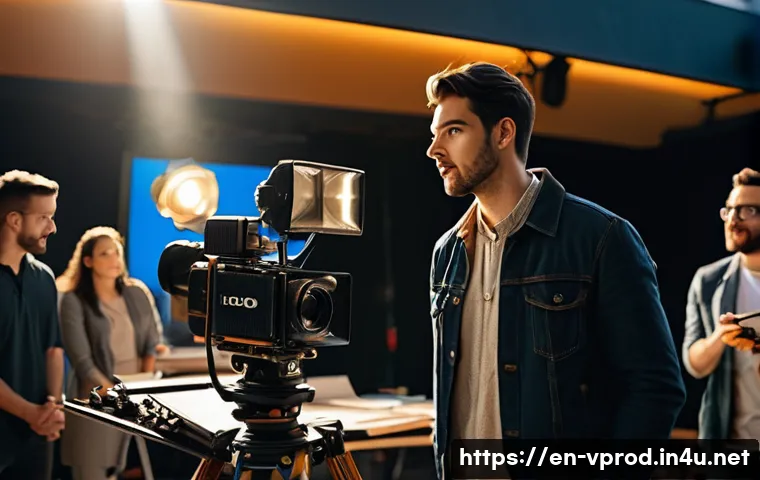
Directing is often seen as the pinnacle of creative control in film production, but stepping into this role right after school can feel daunting. From my own experience, the biggest challenge is learning how to communicate your vision clearly to a diverse team.
It’s not just about knowing the technical side or having a good eye for shots; it’s about leadership, patience, and flexibility. Many new directors find value in starting with short films or music videos, where the stakes are lower but the opportunities to experiment are vast.
This hands-on approach helps you develop confidence and a unique style, which becomes your calling card in the industry. Remember, every director’s journey is different, and persistence is key.
Editing: Crafting Stories in the Cutting Room
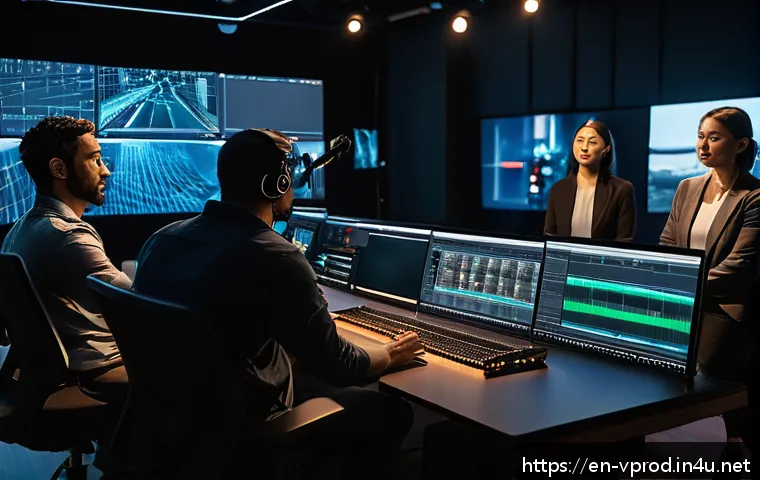
Editing is where the magic of storytelling truly takes shape. When I first dove into editing, I realized how much power editors have in influencing a film’s pace, tone, and emotional impact.
If you enjoy problem-solving and have a knack for detail, this path might suit you well. The digital age has brought incredible tools like Adobe Premiere Pro and DaVinci Resolve, which are industry standards now.
But beyond software skills, building a strong understanding of narrative structure is essential. Many editors I know started as assistants, learning to organize footage and sync audio before moving into creative decision-making roles.
It’s a craft that demands patience but offers immense creative satisfaction.
Cinematography: Painting with Light and Movement
Cinematography is a beautiful blend of art and technology. It’s where your understanding of light, composition, and camera movement translates into the visual language of a film.
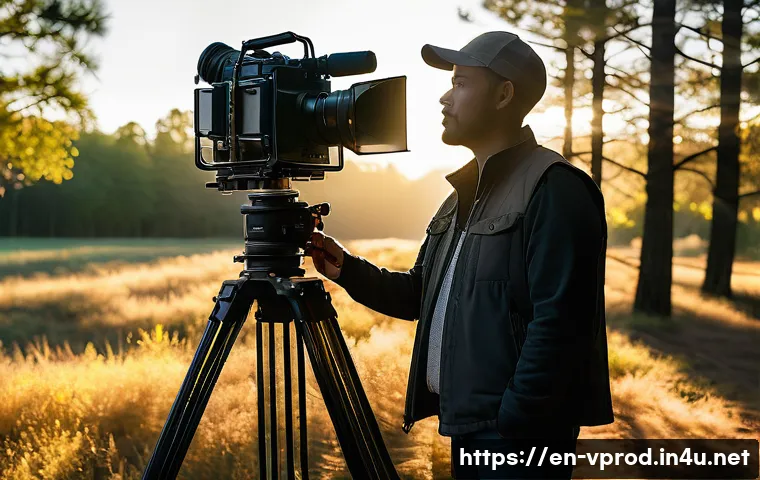
When I worked on my first professional shoot, I was amazed at how small adjustments in lighting could completely change the mood of a scene. For graduates, entry-level positions often include camera assistant roles, where you get to observe and learn from experienced DPs (Directors of Photography).
Investing time in mastering both traditional cameras and new digital systems is crucial, as is developing a collaborative mindset since you work closely with directors and lighting crews.
Cinematography requires passion for detail and a constant curiosity about new techniques.
Building Your Network and Industry Presence
Importance of Internships and Entry-Level Jobs
One thing that surprised me after graduation was how vital internships and entry-level jobs are in this field. These roles might not pay much initially, but the exposure to real-world sets and professionals is priceless.
I found that showing up eager to learn, being reliable, and building genuine relationships often led to unexpected opportunities. It’s a grind, but these early experiences help you understand the pace and pressure of production environments, which textbooks can’t teach.
Plus, the contacts you make can become your best advocates when you’re ready to step up.
Leveraging Film Festivals and Online Platforms
Film festivals are more than just places to showcase your work; they’re networking goldmines. When I attended my first festival, I made a point to attend panels and workshops, which led me to meet producers and fellow filmmakers who later collaborated with me.
Similarly, online platforms like Vimeo and YouTube offer a way to build an audience and attract attention from industry insiders. Posting your work consistently and engaging with viewers can open doors to freelance gigs or even representation.
The key is to balance exposure with quality and to stay authentic to your creative voice.
Social Media as a Career Tool
Social media is a double-edged sword but undeniably powerful for film professionals. I’ve seen peers use Instagram and TikTok not just for personal sharing but to build brands around their filmmaking style.
Posting behind-the-scenes clips, tutorials, or even short films can boost your visibility dramatically. However, it’s important to maintain professionalism and avoid oversharing or appearing too salesy.
Consistency and interaction with your audience can raise your profile and lead to collaborations or job offers. Think of social media as a digital portfolio that’s alive and evolving.
Adapting to Technological Shifts in the Industry
Embracing Streaming and Digital Distribution
The rise of streaming platforms like Netflix, Amazon Prime, and Disney+ has transformed how films and series are made and consumed. From what I’ve observed, this shift means more opportunities for varied content but also increased competition.
Understanding what streaming services look for—such as binge-worthy narratives and diverse storytelling—can help you tailor your projects effectively.
Many graduates benefit from creating content designed for digital audiences, experimenting with formats like web series or interactive videos that are gaining popularity.
Staying informed about platform trends can give you a strategic advantage.
Virtual Production and Emerging Technologies
Virtual production, which blends real-time rendering with physical sets, is becoming a game changer. I had the chance to visit a studio using LED walls and game engines for immersive backgrounds, and it was mind-blowing how it speeds up production while offering creative flexibility.
While not every beginner will dive straight into this, familiarizing yourself with these tools through online courses or workshops is a smart move. Technologies like augmented reality (AR) and virtual reality (VR) also open new storytelling avenues that are still relatively untapped but growing fast.
Staying tech-savvy can future-proof your career.
Data-Driven Storytelling and Analytics
In today’s industry, data isn’t just for marketers; creators are increasingly using analytics to guide storytelling decisions. Platforms track viewer engagement, drop-off points, and demographic preferences, providing insights that can shape scripts and editing choices.
I found that collaborating with data analysts or learning basic analytics tools can help you better understand your audience and make more informed creative decisions.
While intuition remains crucial, blending it with data-driven insights can elevate your work’s impact and marketability.
Freelancing and Building a Sustainable Career
Navigating Freelance Opportunities
Most film graduates eventually face the reality of freelancing, which can be both liberating and stressful. My early freelance gigs taught me the importance of clear contracts and communication to avoid misunderstandings.
Building a solid portfolio and asking for referrals can lead to steady work, but it requires hustle and adaptability. Freelancing also means juggling multiple roles—sometimes producing, editing, or shooting for different clients simultaneously.
Learning how to manage your time and finances is as important as honing your craft.
Creating Your Personal Brand
Developing a recognizable personal brand can make a huge difference in standing out. I recommend focusing on a niche or style that reflects your strengths and passions, whether it’s documentary storytelling, commercial work, or narrative filmmaking.
Consistency in how you present your work—through reels, websites, and social media—helps build trust with clients and collaborators. Don’t shy away from sharing your journey, challenges, and successes; authenticity resonates strongly in this community.
Long-Term Career Growth and Education
Continuous learning is key to sustaining a career in film. Whether it’s attending workshops, enrolling in specialized courses, or simply experimenting with new techniques, staying curious keeps your skills sharp.
I’ve personally benefited from revisiting classes on color grading and sound design years after graduation—it expanded my creative toolkit significantly.
Setting long-term goals and periodically assessing your progress helps you stay motivated and focused amid the industry’s ups and downs.
Understanding Job Market Trends and Salary Expectations
Current Demand for Film Production Roles
The job market for film production is dynamic, with certain roles experiencing higher demand due to technological shifts and content consumption habits.
For instance, positions related to post-production and digital content creation have grown as streaming services ramp up output. Meanwhile, traditional roles like grip or gaffer remain steady but may require more technical knowledge of new equipment.
Keeping an eye on industry reports and job boards can help you identify which skills are most sought after at any given time.
Salary Ranges and Negotiation Tips
Salaries in the film industry vary widely based on location, experience, and role. Entry-level positions might start on the lower side, especially in freelance or indie projects, but there is room for growth with experience and reputation.
When I negotiated my first contract, I realized the importance of researching standard rates and being clear about your value. Always factor in your expenses and time commitments, and don’t hesitate to ask for what you deserve.
Transparency and professionalism during negotiations can build respect and better opportunities down the line.
Balancing Passion with Financial Stability
One of the biggest challenges I faced was balancing my creative passion with the need to pay bills. Many graduates supplement their income with related jobs like teaching workshops, freelancing in commercials, or even part-time roles in media companies.
It’s okay to take on projects that aren’t your dream work initially if they help sustain you financially. Over time, as you build your portfolio and network, you can shift focus toward projects that fulfill your artistic goals without sacrificing stability.
| Career Path | Entry-Level Roles | Key Skills | Average Starting Salary (USD) | Growth Potential |
|---|---|---|---|---|
| Directing | Assistant Director, Short Film Director | Leadership, Communication, Vision | 35,000 – 50,000 | High, based on project success and networking |
| Editing | Assistant Editor, Junior Editor | Storytelling, Software Proficiency, Attention to Detail | 30,000 – 45,000 | Moderate to High, with specialization |
| Cinematography | Camera Assistant, Lighting Technician | Technical Knowledge, Creativity, Collaboration | 28,000 – 42,000 | High, especially with tech expertise |
| Production | Production Assistant, Coordinator | Organization, Multitasking, Networking | 25,000 – 40,000 | Moderate, with management roles available |
| Post-Production | Colorist Assistant, Sound Editor | Technical Skills, Creativity, Patience | 30,000 – 45,000 | High, with technical specialization |
Specializing in Niche Markets and Emerging Genres
Documentary Filmmaking and Nonfiction Storytelling
If you’re passionate about real stories and social impact, documentary filmmaking offers a meaningful path. I’ve worked on a few doc projects, and what stood out was the deep research and ethical considerations involved.
This niche requires patience, flexibility in unpredictable environments, and strong interviewing skills. Plus, the rise of platforms like Netflix Documentary and YouTube channels has expanded opportunities for distribution and funding.
Building relationships with nonprofit organizations or journalists can also open doors in this field.
Commercial and Corporate Video Production
Commercial video production is a lucrative area where creativity meets business. Producing promotional content for brands, events, or training requires you to understand client goals and deliver on tight deadlines.
From my experience, success here depends on professionalism, quick turnaround, and adaptability. The budgets tend to be higher than indie projects, but so are expectations.
Learning how to manage client feedback and balancing creative ideas with marketing objectives are essential skills.
Animation and Visual Effects Integration
Combining live-action footage with animation or VFX is a growing trend, especially in advertising and genre films. I had the chance to collaborate with VFX artists and saw how early planning and communication prevent costly post-production issues.
For graduates, gaining basic skills in software like After Effects or Blender can make you a more versatile candidate. This specialization demands both technical acumen and a strong sense of timing and design.
Strategies for Continuous Skill Development
Participating in Workshops and Masterclasses
Even after graduation, workshops and masterclasses offer invaluable learning opportunities. I recall attending sessions led by seasoned professionals that completely changed how I approached lighting and sound design.
These experiences often provide hands-on practice and personalized feedback that you don’t get from online tutorials. Plus, they’re great places to meet peers and mentors who can guide your career.
Collaborating on Independent Projects
Working on indie projects or student films beyond school is a practical way to sharpen your skills and experiment without pressure. I found that these collaborations often led to creative breakthroughs and helped me discover my strengths and weaknesses.
Plus, they enrich your portfolio with diverse styles and genres, making you more attractive to employers or clients.
Staying Updated with Industry Publications and Trends
Keeping up with industry news, equipment releases, and emerging storytelling techniques is crucial. I subscribe to a few key magazines and websites that deliver regular updates and interviews with leading filmmakers.
This habit helps me stay inspired and informed about shifts that could affect my work. For example, learning about new camera models or editing software updates early on can give you a competitive edge.
Understanding Legal and Business Aspects of Filmmaking
Contracts, Copyrights, and Licensing
Navigating legal issues can be intimidating but is essential for protecting your work and income. Early in my career, I underestimated the importance of clear contracts and almost lost rights to a short film.
Learning about copyrights, licensing agreements, and usage rights helps you avoid common pitfalls. Many film schools offer introductory sessions on these topics, but seeking advice from a legal professional is often worthwhile as you progress.
Budgeting and Funding Your Projects
Managing budgets effectively can make or break a project. I’ve learned that realistic budgeting includes not just equipment and crew but also contingency funds and post-production costs.
Funding sources vary widely—from grants and crowdfunding to private investors—and each comes with its own expectations and requirements. Building a network of potential supporters and knowing how to pitch your project clearly are skills that grow with experience.
Marketing and Distribution Strategies
Getting your work seen is just as important as creating it. I found that understanding distribution channels, whether traditional festivals or online platforms, helps you strategize marketing efforts early on.
Crafting press kits, trailers, and engaging social media campaigns can boost visibility. Collaborating with a distributor or sales agent might be necessary for larger projects, but for many, self-distribution and direct audience engagement are powerful tools to build a following.
In Conclusion
Exploring creative roles beyond the classroom opens up a world of opportunities for film graduates eager to make their mark. Whether directing, editing, or working behind the camera, each path offers unique challenges and rewards. Building a strong network, staying adaptable to technology, and continuously honing your skills are essential steps toward a successful career. Embrace every experience as a learning moment, and remember that persistence and passion drive growth in this dynamic industry.
Useful Information to Keep in Mind
1. Internships and entry-level jobs may pay modestly but provide invaluable real-world experience and networking opportunities that textbooks can’t offer.
2. Film festivals and online platforms are excellent venues for showcasing your work, gaining exposure, and connecting with industry professionals.
3. Social media can be a powerful tool to build your personal brand and attract collaborations if used thoughtfully and professionally.
4. Staying updated on emerging technologies like virtual production and data-driven storytelling can give you a competitive edge.
5. Balancing creative passion with financial stability often means taking diverse roles early on while steadily building toward your dream projects.
Key Takeaways for Aspiring Filmmakers
Success in the film industry relies on a combination of creativity, technical skills, and strong interpersonal relationships. Starting with practical experience through internships or freelance work builds a solid foundation. Continuous learning and adapting to technological advances keep your work relevant and marketable. Protecting your rights with proper contracts and understanding budgeting ensures smoother project management. Finally, cultivating authenticity and professionalism in all your endeavors lays the groundwork for long-term career growth and fulfillment.
Frequently Asked Questions (FAQ) 📖
Q: What are the best entry-level jobs for recent film production graduates?
A: For recent graduates, entry-level roles like production assistant, assistant editor, or camera operator are great starting points. These positions offer hands-on experience and help you understand the workflow on set or in post-production.
Personally, starting as a production assistant allowed me to observe every department closely, which was invaluable. It’s also a chance to build relationships that often lead to bigger opportunities down the road.
Q: How important is networking in the film and video production industry?
A: Networking is absolutely essential. The film industry thrives on connections—knowing the right people can open doors that formal applications sometimes can’t.
From my own experience, attending film festivals, workshops, and industry mixers led to collaborations and freelance gigs I wouldn’t have found otherwise.
Even a casual conversation can turn into a job or mentorship, so always keep your contacts fresh and be genuine.
Q: How can I stay competitive with the rise of digital media and streaming platforms?
A: Staying updated on digital trends is key. Streaming platforms constantly push for fresh content, so understanding how to produce engaging material tailored for online audiences is a huge advantage.
I found that learning skills like color grading for different screens, optimizing video for mobile viewing, and mastering short-form storytelling gave me a leg up.
Also, experimenting with platforms like TikTok or YouTube helped me grasp what viewers want, making my work more relevant and marketable.