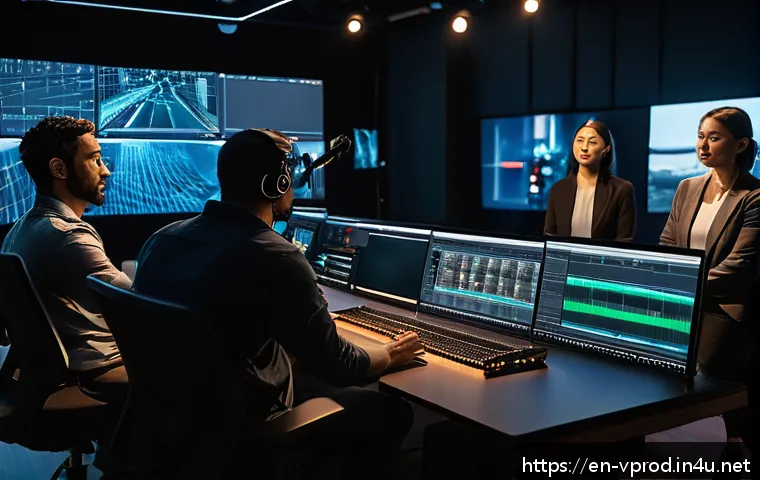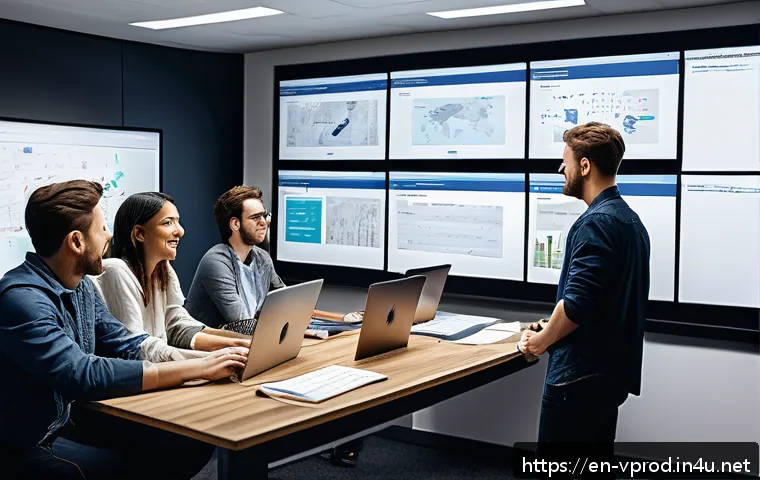
In today’s fast-paced digital world, creating long-term video projects can feel overwhelming, yet the rewards are immense when managed well. With the rise of streaming platforms and content demand, mastering seamless production management has never been more crucial.
Whether you’re a seasoned creator or just stepping into video production, understanding how to navigate complex workflows can save you time and stress.
I’ve personally faced the challenges of juggling multiple shoots and deadlines, and the right strategies truly make all the difference. Let’s dive into essential tips that will help you keep your projects on track from start to finish, ensuring your vision comes to life without a hitch.
Optimizing Your Pre-Production Workflow
Defining Clear Objectives and Milestones
Getting your project off to a smooth start means setting clear, measurable goals. Before you even think about cameras or scripts, take the time to outline what success looks like.
For me, breaking down the project into smaller milestones helped reduce the overwhelming feeling that often comes with long-term projects. Each milestone acts as a checkpoint that keeps the entire team aligned and motivated.
It’s not just about deadlines; it’s about knowing what you want to achieve at every stage so that you can adjust your strategy if necessary without losing momentum.
Detailed Scheduling and Resource Allocation
A solid schedule is your best friend when managing multiple shoots and deadlines. I’ve found that using digital calendars combined with project management tools like Trello or Asana creates a visual roadmap that everyone can follow.
Assigning resources—whether it’s crew, equipment, or locations—early on helps prevent last-minute scrambles. One trick I’ve picked up is to build buffer days into your schedule for unexpected delays.
This flexibility can be a lifesaver when things inevitably don’t go as planned.
Script and Storyboard Precision
Investing time in refining your script and storyboards pays off immensely down the line. When everyone understands the narrative flow and visual style before shooting begins, it saves countless hours of confusion and re-shoots.
I always encourage my team to review storyboards together and discuss any potential challenges. This proactive approach ensures that the creative vision is clear and achievable, which ultimately keeps the project on track and everyone motivated.
Streamlining Communication Across Teams
Centralizing Communication Channels
One of the biggest pitfalls in long-term projects is scattered communication. In my experience, centralizing all updates, files, and discussions in one platform—like Slack or Microsoft Teams—dramatically improves clarity and responsiveness.
When team members know exactly where to find information and where to voice concerns, it reduces miscommunication and speeds up decision-making. It’s also critical to set clear expectations about response times to keep things moving efficiently.
Regular Check-Ins and Status Updates
Consistent communication beats sporadic updates every time. I make it a point to hold weekly video calls or stand-ups to discuss progress, roadblocks, and next steps.
This creates a rhythm that keeps everyone accountable and engaged. Plus, it’s a great opportunity to celebrate small wins, which boosts morale. When the team feels connected and heard, they’re far more invested in the project’s success.
Encouraging Open Feedback and Problem-Solving
Creating an environment where feedback flows freely is essential. I’ve noticed that when team members feel safe sharing concerns or ideas, potential problems get addressed early before snowballing into bigger issues.
Encouraging this kind of openness builds trust and fosters creativity, which is invaluable in long-term projects that evolve over time.
Efficient Post-Production Management Techniques
Organizing Footage and Assets Systematically
Post-production can quickly become chaotic without a robust organizational system. I personally rely on a strict naming convention and folder structure for all footage and assets.
This habit saves hours of hunting down files and prevents accidental overwrites. Cloud storage solutions with version control, like Google Drive or Frame.io, have also been game changers, especially when working with remote editors or collaborators.
Implementing Incremental Review Cycles
Rather than waiting until the final cut to gather feedback, breaking the post-production into incremental review stages is far more effective. For instance, reviewing rough cuts, sound design, and color grading separately allows the team to focus on one aspect at a time and make informed decisions.
This stepwise approach minimizes last-minute surprises and keeps the project timeline intact.
Balancing Creative Vision and Practical Constraints
Post-production is where the creative magic happens, but it’s also where budgets and deadlines feel tightest. I’ve learned that maintaining a balance between creative ambition and practical limitations is key.
Clear communication with the director and producers about what’s feasible ensures expectations are realistic, and compromises don’t feel like setbacks.
Leveraging Technology for Seamless Collaboration

Utilizing Cloud-Based Editing Platforms
Cloud-based editing tools have revolutionized how long-term projects are managed. Platforms like Adobe Creative Cloud and DaVinci Resolve allow multiple editors to work simultaneously and share updates instantly.
From my own experience, this has cut down turnaround times significantly, especially when team members are spread across different time zones.
Automating Routine Tasks
Automation can be a lifesaver when juggling repetitive tasks such as file conversions, backups, or metadata tagging. Using scripts or dedicated software to handle these chores frees up valuable time for creative work.
For example, automating backup schedules has saved me from a few heart-stopping moments when equipment failed unexpectedly.
Tracking Progress with Analytics and Dashboards
Monitoring your project’s health using real-time dashboards helps you catch bottlenecks early. Tools that integrate with your workflow can provide insights into task completion rates, budget usage, and time spent per phase.
This data-driven approach has helped me make informed decisions quickly and keep projects within scope.
Maintaining Team Morale and Productivity Over Time
Setting Realistic Expectations and Workloads
Long-term projects can wear down even the most dedicated teams. From my experience, setting realistic workloads and avoiding burnout is crucial. This means planning for rest days and being flexible when life happens.
Recognizing that humans aren’t machines improves overall productivity and creativity.
Celebrating Milestones and Small Wins
Acknowledging progress, no matter how small, keeps the energy alive. I make it a habit to celebrate milestones with shoutouts, treats, or informal gatherings.
This simple act boosts motivation and strengthens team cohesion, which is invaluable during lengthy production cycles.
Encouraging Skill Development and Ownership
Empowering team members to take ownership and learn new skills creates a more engaged and versatile crew. Offering opportunities for training or cross-functional tasks not only benefits the project but also helps individuals feel valued.
This investment pays dividends in quality and commitment.
Key Elements of Long-Term Video Project Management at a Glance
| Aspect | Best Practice | Personal Insight |
|---|---|---|
| Pre-Production | Clear goals, detailed scheduling, precise scripts | Milestones reduce overwhelm and keep momentum |
| Communication | Centralized channels, regular updates, open feedback | Consistent check-ins build trust and accountability |
| Post-Production | Organized assets, incremental reviews, balanced vision | Stepwise feedback avoids last-minute chaos |
| Technology | Cloud tools, automation, progress dashboards | Cloud editing cuts turnaround, automation saves time |
| Team Management | Realistic workloads, celebrate wins, skill growth | Happy teams produce better, more creative work |
Conclusion
Successfully managing a long-term video project requires thoughtful planning, clear communication, and adaptable workflows. From setting precise goals to leveraging technology and supporting your team, every step plays a vital role in maintaining momentum and quality. With experience, these strategies become second nature, helping you deliver outstanding results consistently.
Helpful Information
1. Break down large projects into smaller milestones to maintain focus and reduce stress.
2. Use digital project management tools to keep schedules and resources organized and visible.
3. Centralize communication on one platform to prevent confusion and speed up decision-making.
4. Implement incremental review cycles in post-production to catch issues early and stay on track.
5. Prioritize team well-being by setting realistic workloads and celebrating achievements regularly.
Key Takeaways
Effective long-term video project management hinges on clear objectives, structured communication, and balanced creative execution. Embracing cloud-based tools and automation enhances collaboration and efficiency, while fostering a supportive team environment drives motivation and quality work. Keeping these core principles in mind ensures smoother workflows and successful project outcomes every time.
Frequently Asked Questions (FAQ) 📖
Q: uestionsQ1: How can I effectively manage multiple video shoots without feeling overwhelmed?
A: Managing multiple shoots can definitely be daunting, but the key is solid planning and prioritization. I found that creating a detailed production calendar helps me visualize overlapping tasks and deadlines.
Breaking down each shoot into smaller steps—like pre-production, filming, and editing—makes the workload more manageable. Also, communicating clearly with your team and having backup plans for unexpected delays can reduce stress significantly.
Trust me, once you get this rhythm down, juggling several projects feels much less chaotic.
Q: What tools or software do you recommend for keeping a long-term video project organized?
A: Over time, I’ve experimented with various project management tools, and ones like Trello, Asana, or Monday.com have been lifesavers for organizing tasks and deadlines.
For video-specific workflows, software like Frame.io or Adobe Premiere’s collaboration features really streamline the review and feedback process. The trick is to choose tools that fit your style and team size so you don’t waste time learning complicated systems.
When you use the right tools consistently, you’ll notice a smoother workflow and fewer last-minute surprises.
Q: How do I maintain creative momentum throughout a lengthy video production?
A: Keeping creative energy high over an extended project is tough but doable. What helped me was setting mini-goals and celebrating small wins along the way—finishing a script section or completing a rough cut can be great motivators.
It’s also important to take breaks and step back when needed to avoid burnout. Collaborating with others brings fresh ideas and keeps things exciting.
Personally, having a clear vision from the start and reminding myself why the project matters keeps me passionate even when the grind gets real.