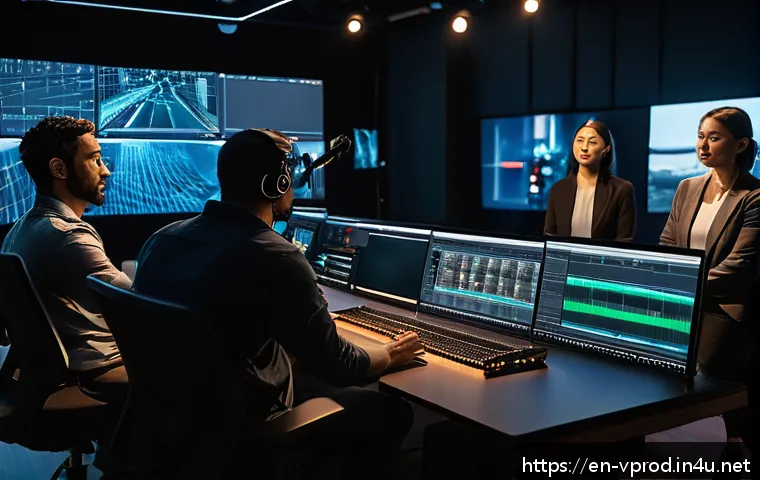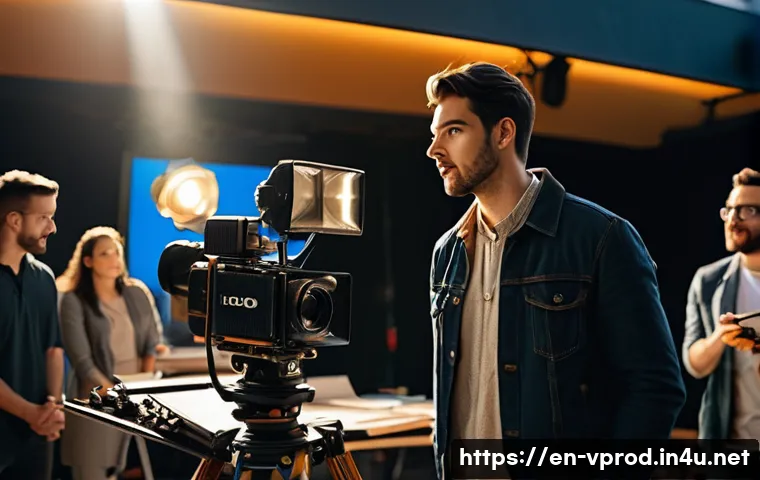
Alright, fellow creators! It feels like just yesterday we were debating codecs, and now we’re talking about AI-powered editing and virtual sets. The world of video production moves at lightning speed, doesn’t it?
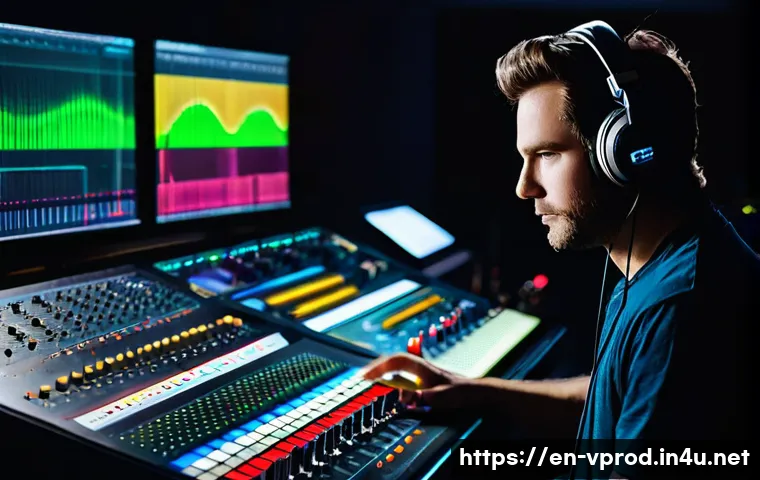
It’s exciting, overwhelming, and sometimes, frankly, a bit much to keep up with. I’ve been in this game for a while now, and if there’s one thing I’ve learned, it’s that while technology constantly changes, the core principles of compelling storytelling, stunning visuals, and efficient workflows remain timeless.
And guess what? The best way I’ve found to master those ever-important fundamentals, and even anticipate future trends, isn’t always through the latest tutorial video.
Sometimes, it’s through the quiet wisdom found within the pages of a well-chosen book. Trust me, these aren’t your dusty old textbooks; these are game-changers that offer deep insights and practical knowledge that can genuinely transform your approach.
Let’s explore the essential reads that have personally elevated my craft and can do the same for yours.
Crafting Unforgettable Narratives: The Power of Visual Storytelling
Beyond the Frame: Understanding Visual Language
You know, it’s easy to get caught up in the technical wizardry of our cameras and software. We obsess over resolution, frame rates, and the latest editing plugins, and trust me, I’ve been there, drooling over a new lens more times than I care to admit.
But here’s the kicker: none of that truly matters if you’re not telling a compelling story. I’ve personally seen incredible footage fall flat because the narrative wasn’t there, and conversely, I’ve witnessed simple, beautifully told stories captivate audiences with far less production value.
This is where books that delve into the psychology and structure of storytelling become absolute gold. They teach you to think beyond just “what looks cool” and instead ask, “how does this shot, this sequence, this cut, serve the story I’m trying to tell?” It’s about learning the grammar of visual language, understanding how composition, color, and movement don’t just decorate your video, but actually *speak* to your audience on a subconscious level.
I remember one project where I was struggling to convey a character’s isolation, and after rereading a chapter on negative space and framing, it clicked.
I adjusted my wide shots to emphasize the vast, empty space around her, and suddenly, the feeling I wanted to evoke was palpable. It felt like I’d unlocked a secret superpower, transforming my work from just a collection of shots into a truly immersive experience.
These reads don’t just hand you rules; they open your eyes to *why* certain things work and empower you to break those rules effectively when the story demands it.
It’s transformative.
The Arc of Engagement: Structuring Your Video for Maximum Impact
So, you’ve got your beautiful shots, you understand visual language, but how do you piece it all together so that your viewers are glued to the screen from start to finish?
This is where the architecture of storytelling comes into play. It’s not just about a beginning, middle, and end; it’s about pacing, rising action, character development, and resolving conflicts – even in a short commercial or a documentary segment.
I used to think a compelling story would just… happen, but man, was I wrong. It requires intentional design. Books focusing on narrative structure, screenwriting principles, and even the classic hero’s journey have been absolute game-changers for me.
They taught me how to identify the emotional beats of my story and how to build tension and release it effectively. I once had a client who wanted a corporate video that felt “more cinematic,” and instead of just adding slow-motion shots, I applied principles of dramatic structure to their brand’s journey, focusing on their challenges and triumphs.
The result wasn’t just cinematic; it was emotionally resonant and far more engaging than anything they’d done before. It felt incredible to see that shift in impact.
These aren’t just for feature films; these structural insights are universally applicable, whether you’re crafting a YouTube explainer or a high-end commercial.
They help you sculpt your content so that every single moment serves a purpose, keeping your audience hooked and making your message unforgettable.
The Unsung Hero: Mastering Audio and Sonic Landscapes
Beyond the Microphone: Crafting Immersive Soundscapes
Let’s be real, how many times have we focused 90% of our energy on the visuals only to realize, in post, that the audio is… well, it’s just *there*? Or worse, it’s actually distracting.
I’ve been guilty of it more times than I care to admit, especially early in my career. But here’s the cold, hard truth: bad audio can absolutely tank even the most visually stunning video.
And conversely, incredible audio can elevate even mediocre visuals to something truly special. This isn’t just about clear dialogue; it’s about crafting an entire sonic landscape that complements your visuals and enhances the emotional impact of your story.
Books dedicated to sound design, audio engineering, and even the psychology of sound have completely transformed my approach. They’ve taught me about microphone placement, room acoustics, the nuances of gain staging, and the art of mixing multiple audio tracks without creating a muddy mess.
I remember working on a short film where I initially just threw in some stock music and called it a day. After diving into a book on sound design, I went back and meticulously layered ambient sounds, subtle Foley effects, and a custom score.
The difference was night and day. Viewers told me they felt *inside* the story, and that’s the power of intentional audio. It’s not just about what you hear, but how those sounds make you *feel*.
It’s a craft that’s often overlooked, but once you start paying attention to it, you’ll find your videos take on an entirely new dimension of professionalism and impact.
The Rhythmic Heartbeat: Pacing and Editing with Sound in Mind
Pacing is everything, isn’t it? It dictates the emotional rhythm of your video, guiding the viewer through moments of intensity, calm, excitement, or sorrow.
And while visual cuts are crucial, the interplay of sound, music, and dialogue with those cuts is what truly gives your project its heartbeat. I used to edit purely visually, then add audio as an afterthought.
Big mistake. Huge. Now, I consider sound from the very beginning of the editing process, often even during planning.
Books that delve into the art of editing, particularly those with a strong emphasis on how sound influences pace and rhythm, have been instrumental for me.
They teach you how to use silence, how to build momentum with escalating music, how to create a jarring effect with an abrupt sound cut, or how to smooth transitions with carefully designed sonic overlaps.
One time, I was editing a high-energy montage, and it just wasn’t *popping*. I consulted a book on rhythmic editing, and it encouraged me to experiment with cutting on musical beats and sound effect transients.
The moment I started aligning my cuts more deliberately with the soundtrack’s rhythm, the energy exploded. It went from merely functional to genuinely exhilarating.
This synergy between sight and sound is where the magic truly happens, and understanding how to manipulate both simultaneously is a skill that will elevate your work far beyond what you thought possible.
It’s like conducting an orchestra, where every instrument, every sound, plays a vital role in the overall symphony.
Illuminating the Frame: The Art and Science of Lighting
Sculpting with Light: Understanding the Fundamentals
If there’s one area that separates amateur video from professional cinematography, it’s almost always lighting. I mean, we all start out thinking “more light is better,” right?
Or we just rely on natural light and hope for the best. I certainly did! But the truth is, lighting isn’t just about illumination; it’s about sculpting, creating mood, revealing character, and guiding the viewer’s eye.
It’s a nuanced dance between art and science. Books dedicated to cinematography and lighting principles have been my personal mentors in this complex world.
They break down everything from the Kelvin scale and the inverse square law to the psychology of hard versus soft light, and the emotional impact of high-key versus low-key setups.
I remember a particularly frustrating shoot where my subject looked flat and uninteresting, despite having plenty of light. After poring over a chapter on three-point lighting and chiaroscuro, I realized I was missing the crucial element of *shaping* the light.
I repositioned my key light, added a fill, and a subtle hair light, and suddenly, the subject had depth, dimension, and a compelling presence. It was an absolute revelation.
These resources teach you not just *how* to set up lights, but *why* you’re doing it, and what emotional impact each choice will have. It’s like gaining the ability to paint with light, transforming a dull scene into a masterpiece.
Beyond the Studio: Adapting Lighting for Any Environment
While studio lighting setups are fantastic for controlled environments, the reality for most of us, especially independent creators, is that we’re often shooting on location with whatever natural light or minimal gear we can muster.
This is where the real challenge and creativity kick in! And this is precisely where those deeper lighting books really shine. They go beyond the perfect studio setup and teach you how to analyze and leverage existing light, how to modify it with simple tools like reflectors or diffusion, and how to augment it with portable LED panels or even household lamps.
I’ve had countless shoots where the “perfect” lighting setup simply wasn’t possible, whether due to budget, time, or location constraints. But because I’d internalized the principles from these books, I learned to adapt.
I recall a documentary interview in a poorly lit cafe where I used a single, small LED panel bounced off a white menu board to create a soft, flattering fill, and then positioned my subject near a window to utilize the natural backlight.
The result was far more polished than anyone expected given the circumstances. These books don’t just give you a checklist; they teach you a flexible mindset, empowering you to troubleshoot on the fly and make informed decisions, ensuring your subjects always look their best, no matter where you are.
Directing Brilliance: Guiding Your Vision to Reality
From Concept to Canvas: Pre-Production Mastery
Okay, let’s be honest. The glamorous part of video production often seems to be the shooting and editing, right? But I’ve learned the hard way that the real magic, the real *saving* of time, money, and sanity, happens long before the camera even starts rolling.
This is where pre-production mastery comes into play, and it’s an area where solid books on directing and production management have absolutely transformed my workflow.
We’re talking about everything from script breakdowns and storyboarding to shot lists, call sheets, and effective communication with your crew and talent.
I used to just wing it, thinking I could hold everything in my head, and inevitably, I’d forget a crucial shot or realize on set that I didn’t have a specific prop.
Those days are long gone. Now, I obsess over pre-production. I remember one particular corporate shoot where we had multiple locations and tight deadlines.
Because I had meticulously planned every shot, every transition, and every logistical detail using templates and strategies I learned from a directing guide, we wrapped ahead of schedule and the client was thrilled.
It felt like I was conducting a well-oiled machine rather than scrambling in chaos. These resources aren’t just about making your life easier; they’re about ensuring your creative vision is executed flawlessly and efficiently.
They empower you to anticipate problems before they arise and keep your entire team aligned and motivated.
The Art of Collaboration: Working with Talent and Crew
Let’s face it, video production is rarely a solo endeavor. Even if you’re a one-person band, at some point, you’ll be interacting with clients, subjects, or perhaps even a small crew.
And for bigger projects, managing talent and a team effectively can make or break your entire production. This is an area where I’ve personally grown tremendously, thanks to insights gleaned from books on directing, leadership, and even psychology.
It’s not just about giving orders; it’s about fostering a collaborative, respectful, and productive environment. How do you get the best performance out of your talent without making them feel uncomfortable?
How do you communicate your vision clearly to your cinematographer or sound recordist so that they understand your intent without feeling micro-managed?
I once struggled with directing non-actors, finding it hard to get natural performances. A book on directing actors taught me subtle techniques for asking open-ended questions, creating a comfortable atmosphere, and giving actionable feedback rather than vague notes.
The very next shoot, I applied these methods, and the difference was astonishing. My subjects relaxed, their performances became authentic, and the whole energy on set was positive and collaborative.
These books offer invaluable social and leadership skills that are just as important as knowing your F-stops. They teach you to lead with empathy, inspire confidence, and build a team that’s as invested in your vision as you are.
The Business Acumen Behind the Lens

From Passion Project to Profit Center: The Entrepreneurial Filmmaker
Alright, let’s talk turkey. As much as we love the creative side of video production, for many of us, this isn’t just a hobby; it’s a livelihood. And if you’re serious about making a sustainable career out of it, you simply *have* to understand the business side of things.
This was a huge learning curve for me, transitioning from just loving to shoot videos to actually running a profitable operation. And frankly, the best lessons didn’t come from YouTube tutorials; they came from diving deep into books on freelancing, creative entrepreneurship, and even basic marketing.
We’re talking about everything from pricing your services appropriately, writing compelling proposals, understanding contracts, and building a client base that trusts you.
I remember underpricing myself for years, thinking it would attract more clients, only to find myself burned out and undervalued. A particular book on creative business strategy showed me how to articulate my value, create tiered service packages, and confidently negotiate rates.
It felt like I finally had permission to charge what I was worth, and guess what? My ideal clients started showing up. It wasn’t just about making more money; it was about building a sustainable foundation that allowed me to focus on the creative work I loved, rather than constantly worrying about finances.
These books offer practical, actionable advice that equips you to navigate the sometimes-daunting world of creative business, turning your passion into a thriving enterprise.
Marketing Your Masterpiece: Attracting Your Ideal Audience
You can create the most incredible video in the world, but if no one sees it, what’s the point? In today’s crowded digital landscape, simply uploading your work and hoping for the best just isn’t enough.
You need a strategy, a way to cut through the noise and connect with the right people – your ideal audience or clients. This is where marketing and branding books have become indispensable tools in my arsenal.
They teach you about identifying your niche, crafting a unique brand voice, leveraging social media platforms effectively, and even understanding the psychology behind audience engagement.
I used to just post my work haphazardly, hoping someone would stumble upon it. Now, I approach every piece of content with a clear distribution strategy, often outlined even before I start shooting.
I remember one time I produced a passion project that I was incredibly proud of, but it languished online. After reading up on content marketing for creatives, I repackaged it with a targeted approach, creating specific snippets for different platforms and writing compelling captions that spoke directly to my desired viewers.
The engagement skyrocketed, and it even led to new client inquiries! It felt like I finally learned how to effectively showcase my abilities to the world.
These resources don’t just teach you how to get eyeballs on your work; they teach you how to build a community around your brand, fostering loyalty and creating opportunities you might never have imagined.
Post-Production Prowess: Polishing Your Masterpiece
The Editor’s Eye: Beyond Technical Proficiency
So, you’ve shot your footage, recorded your audio, and now you’re sitting in front of your editing suite. It’s easy to think editing is just about cutting clips together in a linear fashion, or knowing which button does what in Premiere Pro or DaVinci Resolve.
And while technical proficiency is absolutely crucial, true editing mastery goes so much deeper. It’s about cultivating an “editor’s eye”—a nuanced understanding of rhythm, emotion, and how to manipulate time and space to create a seamless, impactful narrative.
Books on film editing theory, the psychology of montage, and even the history of cinema have profoundly shaped my approach to post-production. They teach you not just *where* to cut, but *why* a particular cut will have a specific emotional or narrative effect.
I remember struggling with a particularly long interview, trying to condense it without losing the essence. A book on documentary editing showed me techniques for crafting compelling sound bites, weaving in b-roll effectively, and creating a flow that kept the audience engaged even through complex topics.
It was like suddenly understanding the conductor’s baton, realizing I had the power to shape the entire performance. These reads help you move beyond merely assembling footage to truly *sculpting* your story, using every cut, every transition, and every sound cue with deliberate intent.
It’s a craft that rewards patience and a deep understanding of human perception.
Color and Polish: The Art of Visual Refinement
Once your edit is locked, the real magic of refinement begins. This is where color grading, visual effects (even subtle ones), and final touches like motion graphics can elevate your project from looking “good” to looking “stunning” and truly professional.
I used to think color grading was just about making things look “pretty,” but I’ve learned it’s an incredibly powerful storytelling tool. Books dedicated to color theory, cinematography, and even the technical aspects of color science have been transformative for me.
They teach you how specific color palettes evoke certain emotions, how to achieve cinematic looks, and how to ensure consistency across all your shots, even when they were shot under vastly different conditions.
I recall a project where the footage was incredibly inconsistent due to changing weather. After applying principles from a color grading guide, I was able to match the shots beautifully, create a cohesive mood, and give the entire piece a polished, professional sheen that truly enhanced its impact.
It felt like I was painting with light and shadow, transforming raw footage into a visual feast. And it’s not just color; even subtle motion graphics or titles, when done thoughtfully and intentionally, can add immense value.
These resources don’t just give you button presses; they teach you the *art* and *science* behind visual refinement, allowing you to breathe a final layer of professionalism and artistry into your work that truly makes it shine.
Beyond the Gear: Cultivating a Filmmaker’s Mindset
The Philosophy of Creation: Developing Your Unique Voice
We can get so caught up in the latest cameras, the newest drones, or the most powerful editing workstations. And sure, gear is exciting! But ultimately, what truly sets you apart as a video creator isn’t your equipment; it’s your unique voice, your perspective, and the *why* behind your creations.
This is where I’ve found immense value in books that aren’t necessarily “how-to” guides but rather philosophical explorations of art, creativity, and the human condition.
They push you to think deeper, to question your assumptions, and to understand your own motivations as an artist. I remember feeling creatively blocked and uninspired, just going through the motions.
A book that delved into the creative process and finding your authentic voice really resonated with me. It encouraged me to look inward, to understand what stories *I* genuinely wanted to tell, and why they mattered to me.
It wasn’t about a specific technique, but about rediscovering my passion and purpose. This mental shift allowed me to break free from simply mimicking trends and instead start developing a style that was truly my own, making my work far more fulfilling and impactful.
These kinds of reads don’t just improve your craft; they nurture your soul as a creator, helping you to dig deep and find that authentic spark that makes your work truly stand out.
Sustaining the Creative Journey: Overcoming Challenges and Burnout
Let’s be honest, the creative path isn’t always sunshine and rainbows. There are deadlines, demanding clients, technical glitches, creative blocks, and the ever-present threat of burnout.
I’ve definitely hit those walls where I felt completely drained, wondering if I even wanted to pick up a camera again. This is why books on creative resilience, mindfulness for artists, and even time management specifically for creatives have been invaluable for me.
They offer practical strategies for maintaining energy, managing stress, and rekindling inspiration when it wanes. I recall a particularly intense period where I was juggling multiple projects and felt completely overwhelmed.
A book focused on sustainable creativity taught me the importance of setting boundaries, scheduling “creative play” time, and even the power of stepping away completely to gain perspective.
Implementing these strategies didn’t just prevent burnout; it actually made me more productive and significantly happier in my work. It felt like I finally learned how to navigate the highs and lows of the creative journey without losing myself in the process.
These resources aren’t just about making better videos; they’re about building a sustainable and fulfilling creative life, ensuring that your passion for storytelling continues to thrive for years to come.
| Area of Focus | What a Great Book Teaches You | My Personal Aha! Moment |
|---|---|---|
| Visual Composition | Beyond just “rule of thirds,” you’ll learn about leading lines, negative space, color theory, and how psychological effects of framing influence audience perception. | I used to just point and shoot, but after diving into some of these principles, my shots started telling a story *before* anyone even spoke. It’s like unlocking a secret language. |
| Audio Engineering | Understanding microphone types, proper gain staging, noise reduction techniques, and the art of mixing dialogue, music, and sound effects to create an immersive experience. | I once thought “good enough” audio was fine. Then I saw how much professional sound elevates even mediocre visuals. Now, it’s non-negotiable for me. |
| Directing & Workflow | Pre-production planning, managing talent and crew, effective communication on set, and streamlining post-production. It’s about bringing order to creative chaos. | I realized that a solid pre-production plan, even for small projects, saves *days* of headaches later. It’s like having a superpower. |
Wrapping Things Up
After diving deep into all these incredible facets of video creation, from the raw power of visual storytelling to the subtle artistry of sound design, and the often-overlooked necessity of business acumen, it really strikes me how much more there is to this journey than meets the eye.
It’s not just about pointing a camera and hitting record; it’s a beautiful, intricate dance of technical skill, artistic vision, and continuous learning.
I’ve found that the creators who truly stand out are the ones who embrace this holistic approach, always curious, always striving to tell stories that resonate.
This path has been incredibly rewarding for me, full of “aha!” moments and challenges that have pushed me to grow. So, keep creating, keep exploring, and most importantly, keep sharing your unique perspective with the world.
Useful Insights to Elevate Your Craft
1. Master the Art of Pre-Visualization: I can’t stress this enough. Before you even touch your camera, spend significant time visualizing your final product. Storyboards, shot lists, and even simple mental run-throughs can save you hours of re-shooting and editing later. Think about the narrative flow, the emotional beats, and how each shot contributes to the overall message. This foresight is like having a superpower, allowing you to anticipate challenges and ensure every moment captured serves your ultimate vision. It’s an investment of time upfront that pays dividends in efficiency and creative precision, making your on-set experience smoother and your post-production a joy rather than a struggle. Trust me, learning to see the film in your mind’s eye before it exists physically is a game-changer.
2. Prioritize Audio from the Outset: Seriously, don’t let sound be an afterthought. Many aspiring creators invest heavily in visual gear but neglect audio, which can completely undermine an otherwise stunning video. Invest in good microphones, learn about proper recording techniques (room acoustics, mic placement, gain staging), and understand the basics of sound mixing. Clear, crisp dialogue and an intentional soundscape can elevate your production value more than any fancy lens. It’s about creating an immersive experience for your audience, and sound plays an enormous role in that. The emotional connection your viewers feel is often dictated by what they hear as much as what they see, so give it the attention it deserves.
3. Embrace Lighting as a Storytelling Tool: Lighting isn’t just about making things visible; it’s about shaping mood, directing attention, and revealing character. Study the psychology of light and shadow, understand color temperatures, and experiment with different lighting setups (like three-point lighting). Even with minimal gear, learning to manipulate available light using reflectors, diffusion, or simple practical lights can dramatically transform the visual quality and emotional impact of your footage. It’s a skill that evolves with practice, and once you start seeing light not just as illumination but as a paintbrush for emotion, your work will take on an entirely new level of sophistication and professional polish. This truly separates the amateurs from those who understand the craft.
4. Develop a Strong Understanding of Narrative Structure: Whether you’re crafting a short social media clip or a long-form documentary, every compelling video has a beginning, middle, and end, with rising action and resolution. Books on screenwriting, dramatic structure, and even the classic hero’s journey offer invaluable frameworks for engaging your audience. Pacing, emotional arcs, and character development aren’t just for Hollywood blockbusters; they’re essential for any content that aims to captivate and hold attention. Understanding these principles allows you to construct videos that flow naturally, build tension effectively, and leave a lasting impression on your viewers, ensuring your message sticks long after the credits roll.
5. Cultivate Your Unique Creative Voice: In a sea of content, what makes *your* work stand out? It’s your unique perspective, your authentic voice. Don’t just chase trends; explore what genuinely excites you, what stories you’re passionate about telling, and how you can express those ideas in a way that is distinctly *you*. This takes introspection and courage, but it’s ultimately what will connect you with your ideal audience and clients. Your personal experiences, your worldview, and your individual style are your greatest assets. Nurture them, refine them, and let them shine through in every project you undertake. This authenticity is your superpower, building trust and creating a loyal community around your work.
Key Takeaways
At the end of the day, becoming a standout video creator isn’t about having the fanciest gear or chasing every fleeting trend. It’s about a relentless commitment to learning and a holistic approach to the craft.
We’ve explored how a deep understanding of visual storytelling, the often-underestimated power of sound, the artistic precision of lighting, and meticulous pre-production are all non-negotiables for truly impactful work.
Moreover, cultivating business acumen and nurturing your unique creative voice are absolutely crucial for a sustainable and fulfilling journey. Remember, every project is an opportunity to grow, experiment, and connect with your audience on a deeper level.
Keep pushing those creative boundaries, trust your instincts, and never stop refining your skills. The magic happens when passion meets purpose, backed by solid knowledge.
Frequently Asked Questions (FAQ) 📖
Q: With so much free content online – YouTube tutorials, blog posts, masterclasses – why should I still bother with books for learning video production?
A: Oh, this is a question I hear all the time, and it’s a really fair one! I mean, who doesn’t love a quick YouTube tutorial when you’re stuck on a specific editing trick?
But here’s the thing I’ve learned from countless hours of both watching and reading: online content, while fantastic for quick fixes and specific software walkthroughs, often lacks the foundational depth that books provide.
Think of it like this: a YouTube video might show you how to set up a three-point lighting system, but a really great book will dive into why each light is placed there, the psychological impact of different lighting styles, and the historical context of cinematography that led us to those techniques.
It’s about building a robust mental framework, not just collecting a bunch of isolated tactics. When I first started, I relied heavily on online videos, and I felt like I was constantly patching holes in my knowledge.
It wasn’t until I picked up some of these “essential reads” that everything clicked. The structured, comprehensive learning experience keeps you engaged longer, helps you connect the dots between seemingly disparate ideas, and ultimately, helps you develop that deeper understanding that elevates your craft from just “getting it done” to “creating something truly impactful.” Trust me, investing in a few solid books is an investment in your long-term mastery, and that’s something you won’t regret.
Q: What specific areas or types of books do you recommend prioritizing to truly elevate my video production skills, beyond just the technical stuff?
A: That’s a brilliant question, because it gets right to the heart of what separates good video producers from truly exceptional ones! While the technical aspects are crucial – understanding your camera, mastering your editing software – what truly shifted things for me was diving into the art and theory behind it all.
So, if I were to guide you, I’d say prioritize books on storytelling and narrative structure. We’re all storytellers at heart, and a compelling narrative is what makes people connect with your work, regardless of how fancy your camera is.
Next, definitely explore cinematography and lighting principles. These aren’t just about camera settings; they’re about how light shapes mood, how composition guides the viewer’s eye, and how to create stunning visuals that evoke emotion.
Then, don’t overlook sound design and audio mixing. Good audio is often overlooked but absolutely essential for a professional feel. Finally, and this is where many skip ahead, consider books on the psychology of visual perception and even film theory.
These might sound academic, but they offer incredible insights into why certain shots or editing choices resonate with audiences. It’s about learning to speak the visual language fluently, not just memorizing a few phrases.
These aren’t just “nice-to-haves”; they’re the building blocks for creating work that genuinely stands out.
Q: Technology in video production changes so incredibly fast. How can books, which often aren’t updated yearly, keep up and still be relevant in such a dynamic field?
A: You’ve hit on one of the biggest paradoxes in our industry, haven’t you? It feels like every six months there’s a new camera, a new software update, or an AI tool promising to revolutionize everything.
And honestly, it is overwhelming. But here’s my personal take after years in this game: while the tools evolve at lightning speed, the principles of effective video production remain remarkably constant.
Think about it: a book on composition written 50 years ago, explaining the rule of thirds or leading lines, is just as relevant today whether you’re shooting on an iPhone or a cinema camera.
The human eye hasn’t changed! Similarly, the fundamentals of good storytelling – character arcs, conflict, resolution – are timeless. Shakespeare’s plays still resonate because they tap into universal human experiences, not because they were written with the latest word processor.
What these books offer are the deep, underlying theories of visual communication, human perception, and emotional impact. They teach you to think like a filmmaker, not just operate a camera.
So, when a new piece of tech comes out, instead of just figuring out how to use it, you’ll immediately understand how it fits into your storytelling toolkit, how it can serve your creative vision, and what principles it leverages.
I’ve found that having a strong theoretical foundation from these books actually makes it easier to adapt to new technology because you understand the ‘why’ behind the ‘how.’ It’s about learning the music theory, not just memorizing the latest pop song.
That kind of fundamental knowledge never goes out of style.