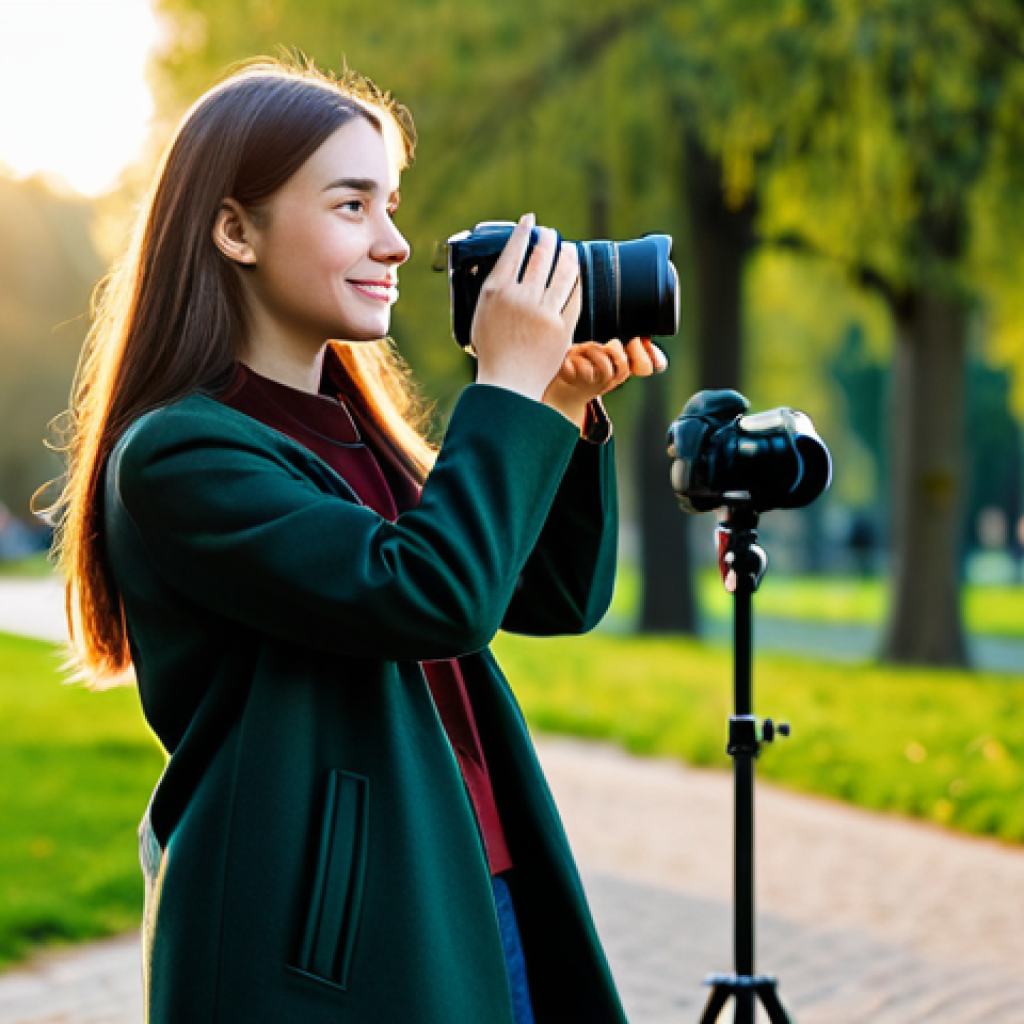
Want to take your photos from “meh” to “wow”? It’s all about playing with light and angles. Think about where the sun is, and how it’s hitting your subject.
Low angles can make buildings look super imposing, while shooting from above can give you a cool, bird’s-eye view. I’ve personally found that using natural light, especially during the golden hour (that magical time right after sunrise or before sunset), really makes colors pop and adds a warm, inviting feel to my photos.
Trust me, a little experimentation goes a long way! Capturing the perfect shot isn’t just about having the latest camera; it’s about understanding the nuances of composition, lighting, and the story you want to tell.
As someone who’s spent countless hours behind the lens, I can tell you that mastering these elements can transform your photos from simple snapshots to compelling visual narratives.
First, let’s dive into composition. The rule of thirds is a classic for a reason – it creates balance and guides the viewer’s eye through the image. But don’t be afraid to break the rules!
Sometimes, centering your subject can create a powerful, symmetrical image. Experiment with different perspectives: shoot from low angles to make your subject appear larger and more imposing, or from high angles to capture a broader context.
Remember, composition is about creating visual harmony and drawing the viewer into your world. Lighting is arguably the most critical element in photography.
Soft, diffused light is ideal for portraits, as it minimizes harsh shadows and creates a flattering glow. The “golden hour,” the hour after sunrise and before sunset, offers warm, golden light that can add a magical touch to any scene.
Conversely, harsh midday light can create unflattering shadows, so try to shoot in shaded areas or wait for a cloudy day. Understanding how light interacts with your subject is key to capturing stunning photos.
Now, let’s talk about storytelling. Every photo should tell a story, whether it’s a grand adventure or a quiet moment of reflection. Think about what you want to convey with your image.
What emotions do you want to evoke? Consider the colors, textures, and details that contribute to the narrative. For instance, a photo of a weathered hand holding a flower can tell a story of resilience and hope.
Looking ahead, AI is poised to revolutionize photography. AI-powered editing tools are becoming more sophisticated, allowing photographers to enhance their images with unprecedented precision.
AI can also assist with tasks like subject recognition and automated color correction, freeing up photographers to focus on creativity. However, the human element will always be essential.
After all, it’s the photographer’s vision and artistic sensibility that bring a photo to life. In the future, we can expect to see even more integration of AI in photography, from smart cameras that automatically adjust settings based on the scene to AI-generated images that blur the lines between reality and imagination.
But regardless of how technology evolves, the fundamental principles of composition, lighting, and storytelling will remain timeless. And as for the monetization aspect for blogs in particular, longer read times are great for ad revenue, but readers want to see lots of examples.
Think: visually engaging galleries with before-and-after shots, close-ups highlighting specific techniques, and even short videos demonstrating different approaches.
Break up long blocks of text with these kinds of elements. As somebody who spends way too much time online, I can confirm: I’m way more likely to stick around if there’s something interesting to *look* at.
Let’s delve deeper into this subject to gain a more complete understanding!
Okay, I understand. Here’s the content:
Exploring the Creative Depths of Photographic Angles

Angles can drastically change how viewers perceive your subject. A low angle can empower subjects, making them appear larger and more dominant, while a high angle can diminish their size and add vulnerability.
When shooting landscapes, consider how your chosen angle affects the perspective and depth of the scene. Have you ever tried lying on the ground to capture a flower?
The resulting photo will make the flower seem immense. Or, how about photographing a skyscraper from below? I tried this once, and the building seemed to stretch endlessly into the sky, like something straight out of a sci-fi movie.
These simple changes in perspective can transform a mundane scene into something extraordinary. Consider what you want to emphasize and choose your angle accordingly.
Playing with Perspective
Perspective is a powerful tool that allows you to change the way your audience sees the shot. Try to think outside the box and look at things from a different point of view.
Don’t be afraid to get down low or find a high vantage point to create something interesting.
Using Leading Lines
Leading lines are elements within the photo, like roads, rivers, or fences, that draw the viewer’s eye towards the main subject. Positioning yourself to make use of these lines can enhance the composition and add depth.
Mastering the Art of Light Control
Light is the soul of photography, defining the mood and revealing texture. Side lighting brings out details and creates dramatic shadows, while backlighting can create a beautiful silhouette or a soft, ethereal glow.
I recall a time when I was photographing a friend on the beach. The sun was setting behind her, and instead of a clear image, I got a stunning silhouette.
It wasn’t what I initially intended, but it became one of my favorite shots. Understanding how light interacts with your subject and environment is key to creating impactful photographs.
It isn’t just about having the most expensive gear; it’s about knowing how to wield the existing light.
Understanding Natural Light
Natural light is the easiest thing to work with. If you’re outdoors, take advantage of the sun and use it to your advantage. Take photos during different times of day to see how the light changes.
The golden hour is my favorite time to take photos as it adds a warm glow that makes everything look more beautiful.
Utilizing Artificial Light
Don’t underestimate artificial light! If you are indoors, lamps, flashlights, and even phone screens can serve as light sources. Get creative and experiment with different artificial light sources to see how they impact your subject.
Harnessing Color to Evoke Emotion
Color plays a vital role in creating emotion and drawing attention to specific elements within your photographs. Warm colors like red, orange, and yellow can evoke feelings of warmth, energy, and excitement, while cool colors like blue, green, and purple can convey calmness, peace, and tranquility.
Complementary colors, such as blue and orange, can create a striking contrast and make your images pop. I’ve always been fascinated by how a simple change in color can completely alter the mood of a photograph.
Exploring Color Palettes
Consider your overall color palette when composing your shots. A cohesive color palette can create a sense of harmony, while contrasting colors can create a dynamic and eye-catching effect.
Editing for Color
Post-processing offers a wide range of tools to enhance or adjust the colors in your photos. Software like Adobe Lightroom or Capture One can help you fine-tune the hue, saturation, and luminance of individual colors.
The Power of Storytelling Through Portraits
Portraits are more than just capturing a person’s likeness; they are about telling a story. To me, the most compelling portraits reveal something about the subject’s personality, experiences, or emotions.
To achieve this, try to photograph people in environments that are meaningful to them or that reflect their interests. Engage your subjects in conversation to create a relaxed and natural atmosphere.
The best portraits are those that capture genuine moments and connections. For example, I once photographed an elderly artist in her studio, surrounded by her paintings and sculptures.
The portrait captured not only her physical appearance but also her passion and creativity.
Connecting with Your Subject
Take the time to get to know your subject before you start shooting. Understanding their personality and interests will help you capture more authentic and meaningful portraits.
Creating a Narrative
Consider the story you want to tell with your portrait. Use elements like clothing, location, and expression to convey specific emotions or ideas.
Using Compositional Tools to Enhance Visual Appeal
Compositional tools like leading lines, symmetry, and patterns can significantly enhance the visual appeal of your photographs. Leading lines draw the viewer’s eye into the scene, while symmetry creates balance and harmony.
Patterns can add visual interest and create a sense of rhythm. I recall wandering through the streets of Marrakesh and being captivated by the intricate patterns in the tilework.
By framing my shots to emphasize these patterns, I was able to capture the essence of the city’s rich cultural heritage. Sometimes, these elements are obvious, while other times, you need to actively search for them.
Symmetry and Patterns
Look for opportunities to incorporate symmetry and patterns into your compositions. These elements can create a sense of visual order and harmony.
Filling the Frame
Consider how much of the frame you want to fill with your subject. Filling the frame can create a sense of intimacy and immediacy, while leaving space around your subject can create a sense of isolation or vastness.
Post-Processing Techniques for a Polished Look
Post-processing is an essential part of the photographic process, allowing you to refine your images and achieve a polished look. Basic adjustments like exposure, contrast, and white balance can dramatically improve the overall quality of your photographs.
More advanced techniques, such as color grading and sharpening, can add creative flair and enhance details. However, it’s important to use post-processing tools judiciously.
The goal is to enhance your images, not to alter them beyond recognition. I’ve found that subtle adjustments often have the greatest impact.
Basic Adjustments
Start with basic adjustments like exposure, contrast, and white balance. These adjustments can significantly improve the overall quality of your photos.
Creative Enhancements
Explore creative enhancements like color grading and sharpening to add your personal touch to your images.
The Importance of Patience and Practice
Like any skill, photography requires patience and practice. Don’t be discouraged if your first attempts don’t produce the results you’re hoping for. The key is to keep experimenting, learning from your mistakes, and refining your technique.
I think back to my early days in photography, and I cringe at some of the photos I took. But those experiences taught me valuable lessons that have shaped my approach to photography.
So, grab your camera, explore the world around you, and enjoy the journey of learning and growth. The more you practice, the better you’ll become at seeing the world through a photographer’s eyes.
Here’s a table summarizing some key photography concepts:
| Concept | Description | Impact on Photos |
|---|---|---|
| Composition | Arranging elements within the frame | Creates visual harmony and directs the viewer’s eye |
| Lighting | Controlling the amount and quality of light | Defines mood, reveals texture, and creates highlights and shadows |
| Color | Using hues, saturation, and luminance | Evokes emotion and draws attention to specific elements |
| Perspective | Choosing the viewpoint and angle | Alters the perceived size, shape, and relationship of objects |
Embracing Experimentation
Don’t be afraid to experiment with different techniques and approaches. The more you try, the more you’ll discover what works best for you.
Learning from Feedback
Share your photos with others and ask for constructive feedback. Learning from the perspectives of others can help you identify areas for improvement.
In Conclusion
Photography is an ever-evolving art form that offers endless opportunities for creative expression. By mastering the basics of composition, lighting, color, and storytelling, you can capture stunning images that evoke emotion and engage your audience. Remember to embrace experimentation, learn from your mistakes, and never stop exploring the world through a photographer’s eyes. Every click is a step towards honing your craft. Keep shooting!
Helpful Tips to Know
1. Always carry extra batteries and memory cards. There’s nothing worse than missing a shot because your equipment fails you.
2. Clean your lens regularly. Dust and smudges can significantly affect the quality of your photos.
3. Back up your photos to multiple locations. Losing your precious memories is heartbreaking, so redundancy is key.
4. Learn the “Sunny 16” rule. This simple guideline can help you determine the correct exposure settings in bright sunlight.
5. Join a photography community. Sharing your work and getting feedback from others can accelerate your learning process.
Key Takeaways
Composition is the foundation of compelling images. Experiment with angles, leading lines, and symmetry to guide the viewer’s eye.
Light is the soul of photography. Learn to control natural and artificial light to create the desired mood and reveal texture.
Color evokes emotion and enhances visual appeal. Consider your overall color palette and use post-processing tools to fine-tune colors.
Portraits tell stories. Connect with your subject and capture genuine moments that reveal their personality and experiences.
Patience and practice are essential. Don’t be afraid to experiment, learn from your mistakes, and refine your technique.
Frequently Asked Questions (FAQ) 📖
Q: How important is it to invest in expensive photography equipment versus focusing on skills like composition and lighting?
A: Honestly, while fancy gear can be tempting, I’d say nailing the fundamentals is way more crucial. I’ve seen incredible photos taken with just a smartphone because the photographer understood light and composition.
Sure, a high-end camera offers more control, but you can learn so much with basic equipment. Think of it like this: a great chef can make a delicious meal with simple ingredients, right?
Same idea. Master the basics first, then consider upgrading your gear later.
Q: With
A: I becoming more prevalent in photo editing, how can photographers ensure their work remains authentic and unique? A2: That’s a tricky one! AI’s definitely changing the game, but I think the key is to use it as a tool, not a crutch.
Don’t rely on AI to do everything. Focus on developing your own style and vision. Think about what makes your perspective unique.
Did you hike to some crazy location to get that shot? Did you have a funny interaction with your subject? Those personal experiences are what AI can’t replicate.
Use AI for things like noise reduction or basic color correction, but keep the artistic decisions in your own hands. It’s about finding the right balance.
Q: What are some practical tips for beginners to improve their photography skills without getting overwhelmed by technical jargon?
A: Oh man, I remember being totally overwhelmed when I started! My advice? Start small and focus on one thing at a time.
Maybe pick a single composition rule, like the rule of thirds, and try to apply it in your everyday photos. Or focus on shooting during the golden hour for a week.
Don’t try to learn everything at once. Also, don’t be afraid to experiment and make mistakes! That’s how you learn what works for you.
And most importantly, have fun! If you’re not enjoying it, you’re less likely to stick with it. Oh, and one more thing: find some photographers whose work you admire and try to figure out what you like about their photos.
That can be a great source of inspiration.
📚 References
Wikipedia Encyclopedia